PG-2 (prostaglandin series 2) have a negative effect on skin while PG-1 and PG-3 will, over a period of time if used in ideal concentration and form, make the skin:
- soft
- smooth
- silky, and
- moist
Aging Skin - Key GLA Building Block
They key ingredient of interest in enhancing PG-1 synthesis is Gamma Linolenic Acid (GLA).
This unsaturated fat is absent from many diets. Please review the anti-aging skin treatment derived from longevity medicine principles for further information.
There are a variety of sources of GLA. The best is thought to be evening primrose oil, with a few qualifications on the point of purity, strength and the extraction method used in production.
GLA can be formed in the body from linoleic acid.
Factors Working Against GLA Synthesis to Accelerate Skin Aging
- diabetes - patients have a defect in the enzyme which converts linoleic acid to GLA.
- eczema - as per diabetes (above).
- aging
- alcohol consumption
- consumption of refined sugars - review the anti-aging skin treatment for further information.
- consumption of hydrogenated fats - as per refined sugars (above).
Aging Processes, Aging Skin and GLA Synthesis
The aging process slows the conversion of linoleic acid into GLA due to lesser activity of the desaturase enzymes.
Most mature-age individuals have sub-optimal skin cell membrane concentrations of GLA.
Epidermal cells are therefore unable to synthesize skin-beneficial PG-1.
Required Co-Nutrients for Healthy, Mature Skin
Adequate amounts of zinc, vitamin B6, zinc and magnesium are required for the conversion of linoleic acid into GLA.
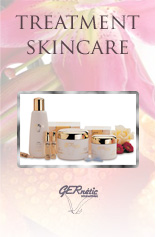
The Gernetic Synchro daily anti-aging skin care treatment provides these nutrients in an effective transdermal topical form.
These nutrients acts as co-enzymes in the biochemical reaction which sees linoleic acid become GLA.